 listicle
How to Spot Signs of Poor Quality Construction Work
Last Updated: October 29, 2026
Quick Summary
Poor quality construction shows up as cracks that widen or run diagonally from door and window corners, floors that slope or bounce, walls that lean or bulge, doors that stick, and water stains or dampness. Check these signs at each stage of the build, while the structure is still exposed.
- Read cracks by width, direction, and whether they keep growing over 30 to 60 days.
- Horizontal cracks in a foundation wall signal soil pressure and are more serious than cosmetic cracks.
- A floor sloping more than about 1/4 inch per 4 feet warrants a professional assessment.
- Do not paint over or patch a crack until you know what caused it.
- Call a licensed structural engineer first for cracks, settlement, or bowing walls.
Table of Contents
- Why Poor Quality Construction Work Is Hard to Spot Early
- Structural Warning Signs: Cracks, Sagging Floors, and Leaning Walls
- Water Damage and Waterproofing Failures to Look For
- How to Identify Poor Workmanship in a New Home
- Cosmetic Defects Versus Safety-Critical Problems
- Construction Quality Inspection Checklist and When to Call a Professional
- What to Do About Construction Defects: Documentation, Warranties, and Next Steps
- Scheduling Your Free Estimate and Getting Repairs Done Right
- Frequently Asked Questions
Poor quality construction work rarely announces itself. A wall that looks flat under fresh paint can hide a bulge, a floor can feel solid while the joists beneath it are undersized, and a tile job can look finished until the first heavy rain shows where water got in. Other homeowners have shared how they approached quality control in remodeling projects before issues became visible.
Why Poor Quality Construction Work Is Hard to Spot Early
Most construction defects are covered up within days of being built. By the time a defect is visible, the cheapest time to fix it has usually passed. U.S. Department of Housing and Urban Development guidance on residential construction quality
That is why early inspection matters. Check the work at each stage, while walls are still open and the structure is exposed, rather than waiting for a problem to appear. For a fuller, step-by-step workmanship checklist, you can catch problems you might otherwise miss.
Structural Warning Signs: Cracks, Sagging Floors, and Leaning Walls
Structural defects are the most serious category of poor construction, and they almost always start small. The same visible symptom, a crack, a slope, a bow, can mean anything from a cosmetic paint-line flaw to a load-bearing failure. The skill is not spotting the sign; it is reading the sign. U.S. Department of Housing and Urban Development guidance on residential construction quality
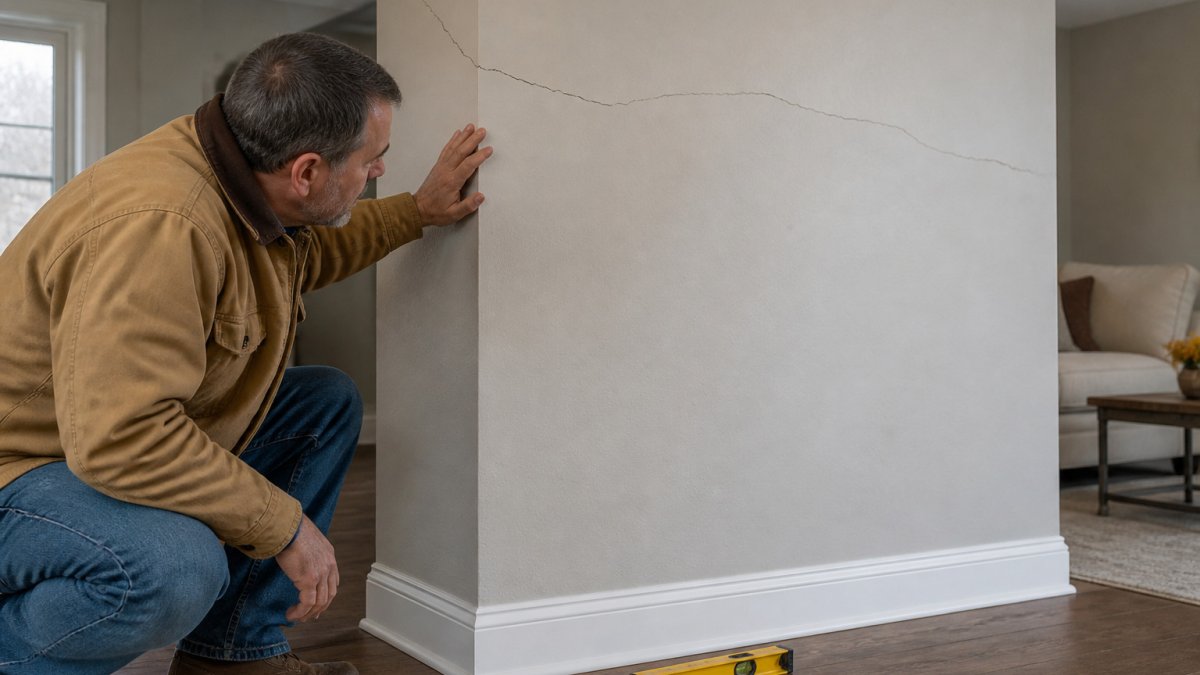
Cracks: Read the Width, Direction, and Movement
A crack is a message about movement. What matters is how wide it is, which way it runs, and whether it is still moving.
- Hairline cracks (roughly the width of a credit card edge or less) in drywall at corners, above door frames, or along ceiling joints are usually cosmetic, caused by lumber shrinkage, seasonal expansion, or minor settling.
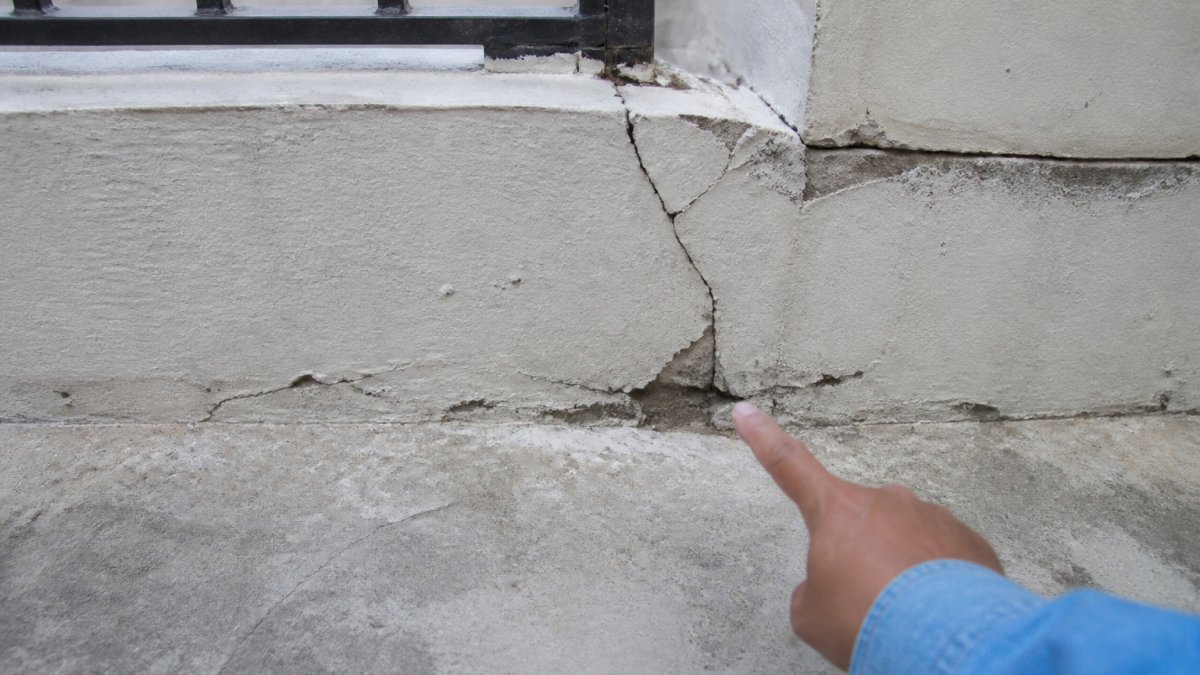
- Cracks that are noticeably wide in a foundation wall, slab, or brick veneer deserve a closer look from a qualified professional.
- Diagonal cracks running from the corner of a door or window opening toward the ceiling or floor signal differential settlement or a frame that is racking. A stair-step crack in brick or block follows the mortar joints and traces the same movement (Common Problems with Brick Masonry (U.S. National Park Service)).
Floors: Slope, Bounce, and Deflection
A floor that feels wrong underfoot is telling you something about the framing below it.
- Slope is best checked with a 4-foot level or a marble. A floor that drains toward one wall, or a doorway where the head jamb is visibly out of square with the floor, points to settlement or undersized framing. A noticeable slope is worth investigating.
- Bounce (deflection) differs from slope. A floor that flexes noticeably mid-room often has joists undersized for the span, spaced too far apart, or missing blocking and bridging. A little springiness is normal; a trampoline is not.
- Squeaks and soft spots can indicate loose subfloor fasteners or water damage that softened the sheathing. A soft spot near a bathroom or exterior wall is a moisture question first.
Walls: Plumb, Bow, and Bulge
Hold a 4-foot level against a wall in several places, both vertically and horizontally. A wall that is out of plumb or bows outward in the middle can indicate inadequate bracing during construction or a foundation that has moved.
- Leaning walls at an exterior corner often trace back to a footing not bearing on competent soil or a lack of lateral restraint at the top of the wall.
- Bulging walls in a basement are usually a soil-pressure issue and should be evaluated before any cosmetic repair.
- Doors and windows that stick or no longer latch are among the most reliable early warnings that a frame has shifted. If a door that closed cleanly last year now drags at the top corner, the opening has racked.
What Separates Cosmetic From Structural
A useful rule of thumb: cosmetic defects affect appearance and are stable over time; structural defects affect how loads travel through the building and tend to get worse. Record width, direction, location, and movement for any crack or deformation. Photograph each with a tape measure or coin for scale, note the date, and re-check in 30 to 60 days. That record lets a qualified person tell you whether you are looking at paint-line shrinkage or a foundation settling unevenly.
Water Damage and Waterproofing Failures to Look For
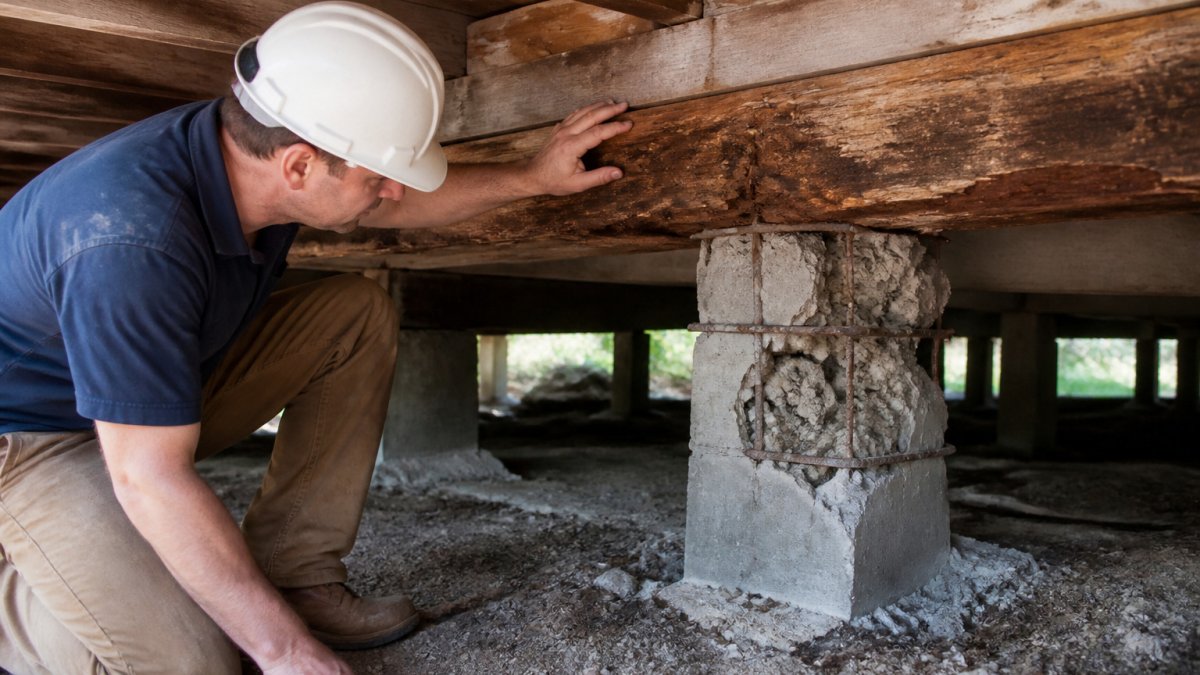
Water is one of the most destructive forces a building faces. Poor waterproofing can cause rot, mold, and structural weakening that stays hidden for years.
Check for:
- Water stains on ceilings, walls, or around windows
- Dampness or a musty smell in basements, crawl spaces, and bathrooms
- Peeling paint or bubbling drywall, especially near plumbing and exterior walls
Water intrusion in one spot often traces back to a flaw elsewhere, such as a missing flashing detail or a poorly sealed penetration. Tracing the source early keeps a small leak from becoming a large repair.
How to Identify Poor Workmanship in a New Home
If you have just bought a newly built home or finished a renovation, a walk-through inspection can reveal a lot. Do it in good daylight, bring a few simple tools, and photograph anything questionable for the builder or contractor.
Room-by-Room Inspection Checklist
- Entryway and living areas: Check that doors close smoothly, latch properly, and sit square. Look for gaps between trim and walls and floors that feel uneven.
- Kitchen: Open and close every cabinet door and drawer. Check countertop seams and caulking around the sink. Run the faucet and look under the sink for drips.
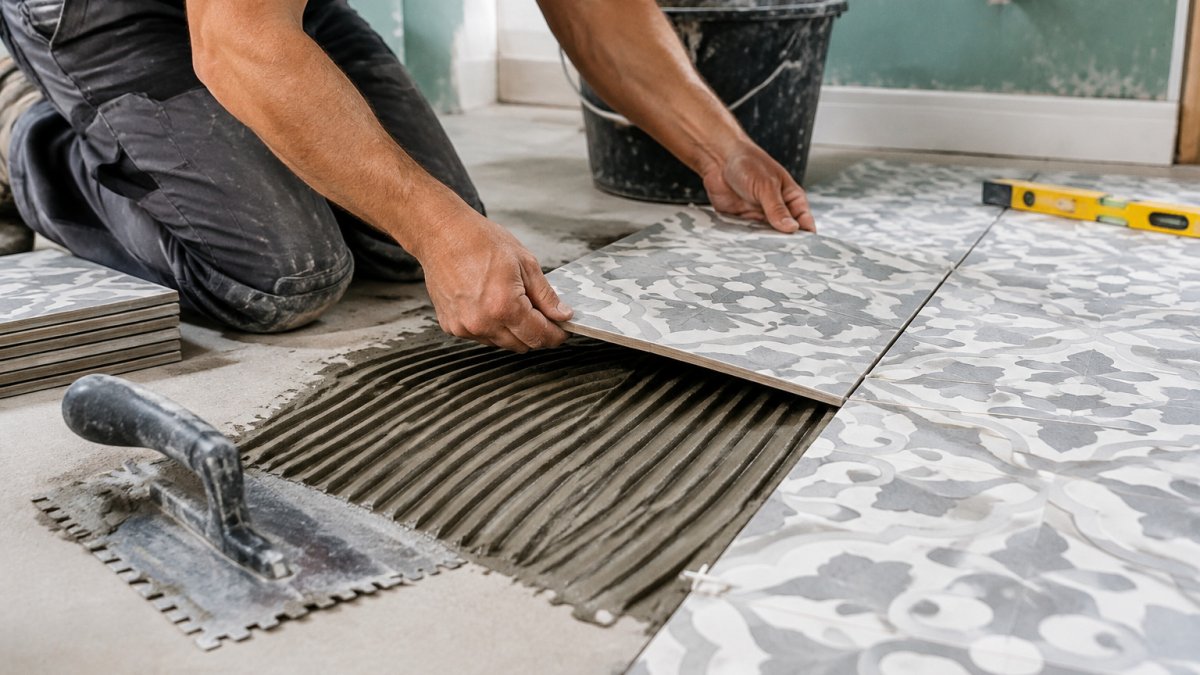
- Bathrooms: Inspect grout and caulk for cracks or missing sections. Tap tile for hollow spots, which can mean poor adhesion. Check the shower pan and area around the toilet for soft flooring.
Tools That Make the Inspection Easier
- A 4-foot level to check walls, door frames, and floors
- A flashlight to examine corners and under fixtures
- A tape measure to check gaps and wall heights
Cosmetic Defects Versus Safety-Critical Problems
Not every flaw is a red flag. Cosmetic defects such as small paint drips, minor scratches, or a slightly uneven grout line affect appearance but not performance.
As a rule of thumb, treat any of the following as safety-critical until a qualified person says otherwise:
- Cracks that are widening over time
- Floors or walls that move or feel unstable
- Signs of active water intrusion
A cosmetic issue can usually wait. A safety-critical issue should be addressed promptly.
Not every flaw is a red flag, so it helps to sort what you find into cosmetic issues and safety-critical ones.
| Defect type | Category | Action |
|---|---|---|
| Small paint drips, minor scratches | Cosmetic | Can usually wait |
| Slightly uneven grout line | Cosmetic | Can usually wait |
| Cracks widening over time | Safety-critical | Address promptly |
| Floors or walls that move or feel unstable | Safety-critical | Address promptly |
| Signs of active water intrusion | Safety-critical | Address promptly |
| Exposed or improperly protected wiring | Safety-critical | Address promptly |
| Gas odors or unvented fuel-burning appliances | Safety-critical | Address promptly |
Construction Quality Inspection Checklist and When to Call a Professional
A homeowner can catch many problems alone, but some findings need a trained eye, and the type of professional matters. Before hiring anyone, learn how to get an accurate renovation quote. Calling the wrong person first wastes time and money. This section gives you a triage checklist and a clear escalation path.
The Triage Checklist: What Warrants a Professional
Work through this list. Any single "yes" is enough to justify a professional assessment.
- Structure: a crack wider than about 1/8 inch, a crack that has grown since you marked it, a horizontal foundation crack, a floor sloping more than about 1/4 inch per 4 feet, a wall out of plumb by more than about 1/4 inch over 4 feet, or any wall that bows outward.
- Moisture: active water intrusion, a musty smell that returns after cleaning, efflorescence on concrete, soft flooring near a fixture, or a moisture meter reading that stays elevated after a dry period.
- Electrical: a breaker that trips repeatedly, warm outlets or switches, a burning smell, exposed wiring in an attic or crawl space, or a panel with double-tapped breakers or unlabeled circuits.
Who to Call, and in What Order
The right first call depends on what you found.
- Licensed structural engineer: your first call for cracks, settlement, bowing walls, sagging beams, or any question about whether a defect is structural. An engineer evaluates load paths and can specify a repair; a home inspector generally cannot. Expect a written report you can share with your contractor and insurer.
- Licensed home inspector: a good choice for a broad assessment of a recently purchased or newly built home, especially before a warranty expires. An inspector documents conditions and flags items for specialists but does not design repairs.
- Your local building department: the authority on which permits and inspections applied to your project and whether they were completed. Ask for the inspection record; a missing final inspection is itself a red flag.
What to Have Ready Before the Call
Professionals work faster and cheaper when you hand them a clear record. Before you call, gather:
- Dated photos and video of each defect, with a tape measure, coin, or level in frame for scale
- Your marked crack tell-tales and the dates you checked them
- The contract, change orders, permit numbers, and warranty paperwork
What to Expect From the Assessment
A structural engineer will typically visit, measure, and may recommend monitoring over weeks before recommending a repair. A home inspector will produce a report with photos and prioritized findings. Your building department can confirm the permit and inspection history in writing. In each case, ask for findings in writing, that document is what you will use to notify your contractor, pursue a warranty claim, or escalate a complaint.
When It Is an Emergency
Some findings should not wait for a scheduled visit. Call your gas utility immediately for any gas odor. Call 911 or your utility for downed or exposed service wiring. If a wall, ceiling, or floor is visibly moving, bulging, or has separated from adjacent surfaces, keep people out of the area and call a structural engineer or your building department the same day.
What to Do About Construction Defects: Documentation, Warranties, and Next Steps
When you find a defect, start by documenting it: dated photos and videos, the location, and a description of what you observed.
Next, review your warranty terms.
Contact the builder or contractor first and give them a reasonable opportunity to correct the problem. Keeping clear, ongoing contractor communication will help document and resolve the issue.
Clear, consistent communication matters at every step.
Scheduling Your Free Estimate and Getting Repairs Done Right
If your inspection turned up problems you would rather not handle alone, the next step is a professional assessment. JB's Construction LLC provides free estimates for residential construction and remodeling projects so you can understand the scope before you commit.
Whether you are dealing with a small crack or a larger structural concern, getting an accurate assessment early keeps repairs manageable. Schedule your free estimate and learn more about our team and how we approach quality construction work.
Frequently Asked Questions
Can poor construction workmanship cause structural damage?
Yes. Structural problems can develop over time from a range of construction defects. Cracks that widen, doors and windows that stick, and floors that slope or bounce are common signs. Some issues only appear after a few seasons of settling or moisture cycling, which is why a licensed structural engineer should evaluate any suspected structural defect rather than relying on a visual check alone.
When should I hire a home inspector or structural engineer?
A home inspector can provide a general assessment of a house's systems and visible conditions. Bring in a licensed structural engineer when you see widening cracks, noticeable sagging, leaning walls, or doors and windows that have suddenly become misaligned. Engineers can determine whether a problem is structural and recommend a repair scope. Confirm credentials and licensing with your state before hiring anyone.
What should I do if I find defects in construction work?
Document everything first. Take dated photos and video, note the location and measurements, and keep copies of your contract, permits, change orders, and payment records. Then notify the contractor in writing and give a reasonable deadline to respond or fix the problem. If the contractor does not respond, check your warranty terms and your state's contractor licensing board, and consider consulting a construction attorney before the defect worsens or your warranty window closes.
How do I document construction defects before contacting a contractor?
Walk through the space with a notebook or a phone app and record each defect with a photo, a short description, and a measurement where relevant. Mark the location on a floor plan if possible. Use a tape measure, a level, and a moisture meter to add objective data. Store everything in one folder with dates. Clear, organized documentation makes it much easier for a contractor, inspector, or attorney to understand the problem and for you to prove what was wrong.