 how-to
How to Manage Contractor Communication: 7 Steps
Table of Contents
- Why Clear Contractor Communication Matters
- Step 1: Establish a Communication Chain of Command Before Work Starts
- Step 2: Create a Contractor Communication Plan
- Step 3: Set Up Weekly Construction Progress Updates
- Step 4: Document Every Discussion and Agreement
- Step 5: Practice Active Listening and Transparency
- Step 6: How to Handle Contractor Delays and Cost Changes
- Step 7: Implement Contractor Communication Best Practices Daily
- Frequently Asked Questions
Last Updated: October 21, 2026
Why Clear Contractor Communication Matters
Poor communication between homeowners and contractors is the root cause of most construction headaches, which is why learning to manage contractor communication is essential. Missed deadlines, budget overruns, misaligned expectations, and unfinished work all trace back to one thing: nobody was talking clearly from the start.
At JB's Construction LLC, we've seen firsthand how transparent, consistent communication transforms a project. When homeowners and contractors understand each other's needs and stay aligned throughout the work, projects run smoother, costs stay predictable, and the final result matches what was promised.
Managing contractor communication isn't complicated, but it does require intention. You need a plan, clear expectations, and regular touchpoints. This guide walks you through exactly how to do it.
Step 1: Establish a Communication Chain of Command Before Work Starts
Before the first nail gets hammered, decide who talks to whom and how often. This is your communication chain of command, and it prevents confusion, delays, and mixed messages.
Start by identifying the key players:
- The primary contact (usually you, the homeowner)
- The project manager or site supervisor
- Subcontractors and specialty trades
- Anyone else who needs updates
Write down each person's name, phone number, email, and what they're responsible for. Make it clear who decides what. If your contractor brings in a plumber for the bathroom addition, does the plumber report to the main contractor or to you directly? Decide this upfront.
One decision point matters most: designate a single primary contact on each side. You pick one person to speak for the homeowner side. Your contractor picks one person to speak for the construction side. This prevents conflicting instructions and keeps accountability sharp.
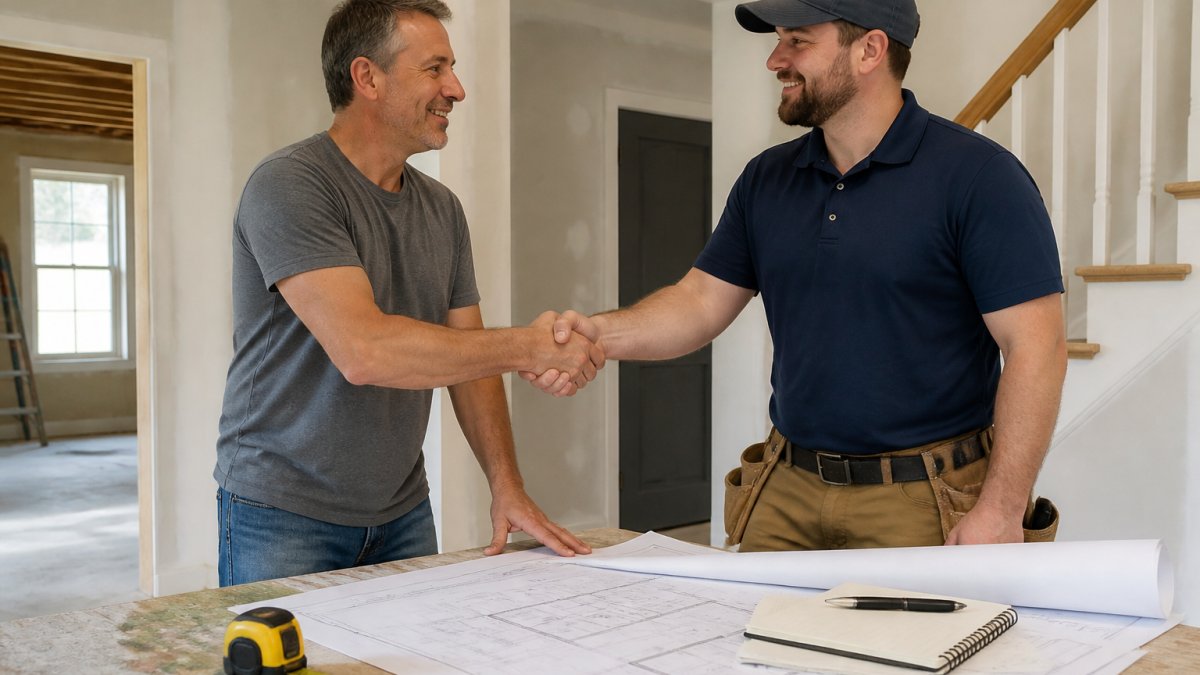
Why does this matter? Subcontractors and workers need to know who to ask when questions come up. If three different people are giving them orders, nothing gets done right. A clear chain of command stops that chaos before it starts.
Put this in writing. A simple email listing names and roles works. Send it to everyone involved. This written agreement becomes your first line of defense against miscommunication.
Step 2: Create a Contractor Communication Plan
A communication plan is your roadmap for staying connected. It spells out what gets discussed, how often, and in what format.
Your plan should cover:
- How you'll communicate, phone calls, text, email, in-person meetings, project management software
- How often, weekly check-ins, daily site visits, or both
- What gets discussed, progress updates, budget changes, schedule adjustments, quality concerns
- Response time expectations, how fast people should reply to messages
- Escalation process, what happens if a problem comes up
Most homeowners benefit from one weekly in-person check-in and quick daily text updates. The in-person meeting gives you time to see the work, ask questions, and address concerns face-to-face. Daily texts keep minor issues from turning into big ones.
Document this plan and share it with your contractor before work starts. This isn't a legal contract. It's a shared understanding of how you'll work together.
Your contractor communication plan also sets boundaries. If you decide on weekly meetings, don't expect daily phone calls. If email is your main channel, don't get frustrated when the contractor doesn't pick up the phone at 7 p.m. Clear expectations prevent resentment.
Step 3: Set Up Weekly Construction Progress Updates
Weekly progress updates are where most homeowners actually see what's happening on their project. These meetings or calls let you track milestones, catch problems early, and keep the project on schedule.
Schedule these at the same time each week. Consistency matters. Your contractor knows to set aside Wednesday mornings for your call. You know to expect an update every Wednesday. This rhythm prevents the "I haven't heard from them in two weeks" panic.
What should you cover in each update?
- What work got done this week
- What's scheduled for next week
- Any delays or obstacles
- Budget status and any cost changes
- Safety issues or concerns
- Next major milestone or deliverable
Keep these updates to 20-30 minutes. Longer meetings lose focus. Shorter ones miss important details.
Ask specific questions. Don't just listen. Ask about the punch list items from last week. Ask when the tile work starts. Ask if materials arrived on time. This shows you're paying attention and keeps your contractor accountable.
Take notes during each update. Write down what was promised, when it's due, and any decisions you made. These notes become your documentation. They protect you if disputes come up later.
Step 4: Document Every Discussion and Agreement
This is the step most homeowners skip, and it's the most important one.
Every conversation about the project should be documented in writing. Not just the big decisions. Everything. A text message saying "Yes, you can switch to the lighter grout color" should be followed by an email confirming it.
Here's why documentation matters:
- Prevents misunderstandings, What you remember hearing and what your contractor remembers saying might not match
- Protects your investment, If a dispute comes up, you have proof of what was agreed
- Tracks scope creep, You can see exactly what changes were made and when
- Holds everyone accountable, Written records create accountability that verbal agreements don't
After each weekly update, send an email summarizing what was discussed and what happens next. Include dates, specific tasks, and who's responsible. Keep it simple. One paragraph per topic is enough.
If your contractor suggests a change, get it in writing before work starts. A change order doesn't have to be fancy. A simple email confirming the change, the cost, and the timeline works.
Save all documentation in one place. A folder on your computer, a shared Google Drive, or a project management tool. You'll need it later, and you don't want to be hunting through emails.
Step 5: Practice Active Listening and Transparency
Communication flows both ways. Your contractor needs to hear from you, and you need to actually listen to them.
Active listening means you're not just waiting for your turn to talk. You're trying to understand what they're saying, why they're saying it, and what they need from you.
When your contractor explains why a task is taking longer than expected, listen to the full explanation before responding. Ask clarifying questions. "Can you walk me through what happened?" or "What would it take to get back on schedule?" These questions show you're engaged and help you understand the real issue.
Transparency works both ways too. Be honest about your budget limits, your timeline, and your concerns. If you can't afford a change, say so. If you're worried about a specific aspect of the work, bring it up. Your contractor can't solve problems they don't know about.
Contractors also need to be transparent with you. They should explain why something costs what it costs. They should tell you about problems early, not hide them until they blow up. They should be honest about what they can and can't deliver.
If your contractor isn't being transparent, that's a red flag. You need to work with someone who respects you enough to tell you the truth, even when it's uncomfortable.
Step 6: How to Handle Contractor Delays and Cost Changes
Delays and cost changes happen on almost every construction project. The question isn't whether they'll happen. It's how you'll handle them.
When a delay comes up, get the full story:
- What caused the delay?
- How long will it add to the project?
- What does it cost you (if anything)?
- What's the new timeline?
- How will they make up time if possible?
Don't accept vague explanations. "Materials were delayed" is not enough. You need specifics. Which materials? When did they order them? When will they arrive? What's the backup plan?
For cost changes, the same principle applies. Your contractor should explain:
- What's changing and why
- The exact cost increase
- How it affects the budget
- Whether it's a one-time change or an ongoing adjustment
Change orders should be in writing before the work starts. A simple document that lists the change, the cost, and the timeline. Both you and your contractor sign it. This protects you both.
If a cost change surprises you, push back. Ask questions. Sometimes there's room to negotiate or find a less expensive alternative. Sometimes the change is unavoidable. Either way, you deserve to understand it before money gets spent.
When delays happen, work with your contractor to find solutions. Can they add crew to speed things up? Can they prioritize your project? Can they adjust the schedule to minimize the impact? Most contractors will work with you if you ask.
Step 7: Implement Contractor Communication Best Practices Daily
The best communication plan fails if you don't actually use it.
Respond promptly. If your contractor texts you a question, answer within a few hours if possible. Delays in communication create delays in work.
Visit the site regularly. You don't need to be there every day, but weekly visits let you see the work in progress.
Ask before you assume. If something looks off, ask about it instead of assuming it's a mistake.
Acknowledge good work. When your contractor or their team does something well, say so. Positive feedback builds relationships and motivates better work.
Keep the big picture in mind. Yes, this grout color isn't perfect. But the overall bathroom is beautiful. Perfectionism can paralyze a project.
Stay professional. Treat your contractor with respect, even when you're frustrated. You're paying them to do a job, but they're also human.
Document everything. Even the small things. A text saying "Discussed moving the outlet to the left, approved" creates a record.
| Practice | Frequency | What It Covers |
|---|---|---|
| Weekly progress update | Once per week | Work completed, next steps, budget, milestones |
| Site visit | Weekly or as needed | Visual inspection, quality check, concerns |
| Written confirmation | After each discussion | Decisions, changes, agreements, timelines |
| Response to messages | Within hours | Quick acknowledgment and feedback |
| Documentation review | Weekly | Check notes, confirm accuracy, update records |
Clear contractor communication isn't just about avoiding problems. It's about building a partnership where both sides understand the goal and work toward it together.
At JB's Construction LLC, we believe that constant communication with customers is what separates good projects from great ones.
If you're planning a bathroom addition, kitchen remodel, or any residential construction project, clear communication practices ensure project success from day one.
Frequently Asked Questions
How often should I communicate with my remodeling contractor?
Weekly check-ins are the standard for most residential projects. Schedule a specific day and time each week for progress updates and to discuss any concerns. For fast-moving phases like framing or electrical work, daily communication may be necessary. Between scheduled check-ins, keep communication open for urgent issues. This consistency prevents misunderstandings and keeps your project on track.
What should a contractor communication plan include?
A solid contractor communication plan outlines preferred contact methods (phone, email, text), response time expectations, weekly meeting schedules, how changes will be requested and approved, and escalation steps for disputes. Include who reports to whom in the chain of command, how progress will be documented, and the process for handling unexpected costs or delays. Written agreements on these points protect both you and your contractor.
How do I handle a contractor who is not communicating?
Start by referencing your written communication agreement and remind them of the expected response timeframe. Send a formal written message (email or text) documenting your concern. If there's no improvement within 48 hours, escalate to a phone call. If the contractor continues to ignore communication, this may indicate a deeper problem with accountability. Document all attempts to reach them and consider whether the working relationship is sustainable.
What should I do if my contractor asks for more money mid-project?
Request a detailed written explanation of the cost increase before approving it. Verify whether it's due to scope creep, material price changes, unexpected structural issues, or poor planning on the contractor's part. Review your original contract and change order process. Get a written change order that specifies exactly what work the additional cost covers. Never approve verbal requests for extra money, always insist on documentation before payment.
Get a Free Estimate
Ready to start your construction project with a contractor who prioritizes clear communication? Contact JB's Construction LLC today for a free estimate. We'll discuss your vision, answer your questions, and show you how we keep homeowners informed throughout every phase of work. Let's build something great together.