 ultimate-guide
Planning Bathroom Additions on Budget: A 2026 Guide
Table of Contents
- Understanding Bathroom Addition Costs
- Bathroom Addition Budget Breakdown by Scope
- Budget-Friendly Bathroom Addition Ideas That Work
- Bathroom Addition Cost Factors You Control
- Bathroom Addition Timeline and Planning
- Saving Money With Smart Planning and DIY Work
- Financing and Contingency Planning
- Return on Investment and Long-Term Value
- Frequently Asked Questions
Last Updated: October 19, 2026
Understanding Bathroom Addition Costs
Planning bathroom additions on budget requires knowing what you're actually paying for. Most homeowners underestimate costs because they focus only on fixtures and tile, missing the structural, plumbing, and permitting expenses that often double the total.
At JB's Construction LLC, we help homeowners understand where their money actually goes. Labor typically represents 40-60% of your total spend, depending on the complexity of plumbing relocation and whether you're keeping your existing layout or starting fresh. Materials range from budget-friendly options that still look polished to premium finishes.
The key insight: your budget decision isn't just about saying "yes" or "no" to expensive tile. It's about understanding which decisions move the needle on your total project cost, and which ones don't.
Bathroom Addition Budget Breakdown by Scope
The scope of your bathroom addition determines everything about cost. A small half-bath addition costs dramatically less than a full master bath with a walk-in shower and heated floors.
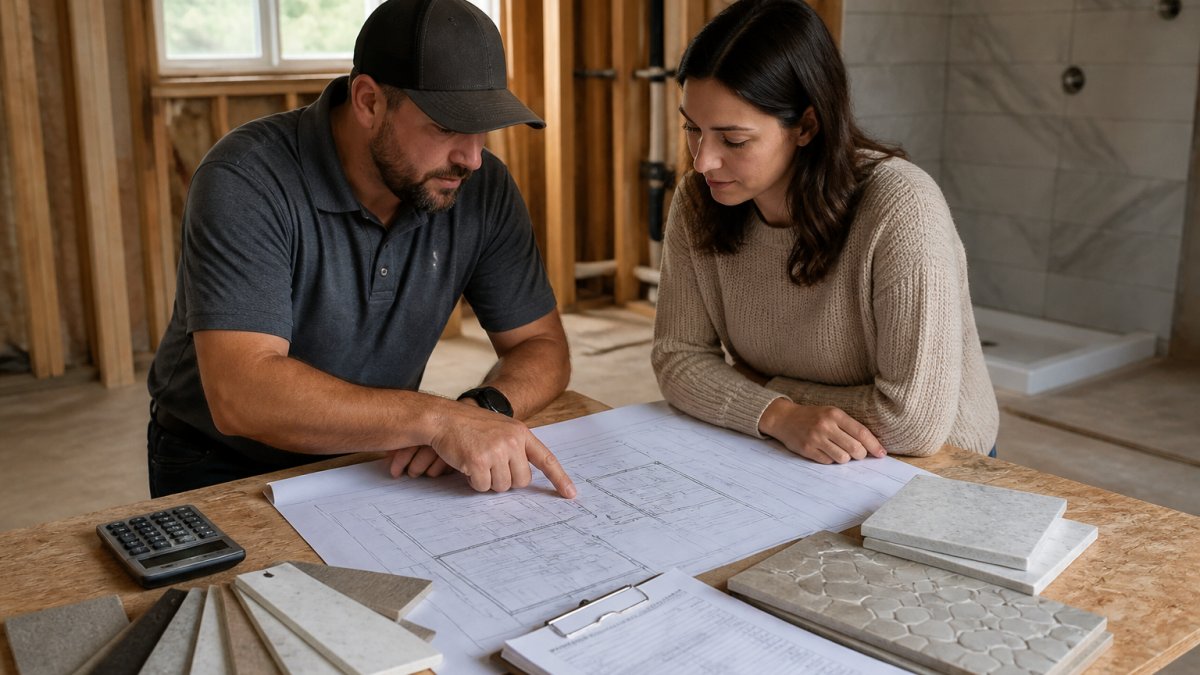
A basic bathroom addition, toilet, sink, shower or tub, minimal finishes, falls into one cost range. A mid-range addition with better fixtures, custom tile work, and upgraded materials sits higher.
The cost breakdown typically looks like this:
- Framing and structural work: 15-20% of project cost
- Plumbing and electrical: 20-30% of project cost
- Fixtures and hardware: 10-15% of project cost
- Flooring, walls, and finishes: 15-25% of project cost
- Labor for installation: 40-60% of total project cost
- Permits and inspections: 5-10% of project cost
These percentages shift based on your decisions. If you choose budget-friendly materials, the fixture and finish percentage drops. If plumbing relocation is extensive, that percentage climbs.
Budget-Friendly Bathroom Addition Ideas That Work
Cutting costs doesn't mean your bathroom addition looks cheap. Strategic choices let you spend less while maintaining quality and cohesion.
Keeping Your Existing Layout
The single biggest cost decision is whether to keep your existing bathroom layout or reconfigure it. Keeping the layout means minimal plumbing relocation, which saves thousands. Moving plumbing requires new supply lines, drain relocations, and often structural changes. If your current layout works functionally, keeping it is one of the smartest budget moves you can make.
This doesn't mean you're stuck with an outdated design. You can still upgrade fixtures, refresh surfaces, add custom tile accents, and modernize the space without moving walls or pipes. Many homeowners assume they need a complete reconfiguration to get a "new" bathroom. In reality, keeping your existing layout while upgrading finishes delivers fresh results at a fraction of the cost.
Choosing Materials That Save Without Sacrificing Quality
Budget-friendly materials exist across every category. Peel-and-stick flooring looks modern and costs far less than natural stone or premium tile. Paint and beadboard create visual interest on walls without the expense of full tile coverage.
The mistake most people make is choosing the cheapest option in every category, which creates a disjointed, budget-looking space. Instead, choose one or two areas where you invest in quality, maybe custom tile work in the shower niche or a statement vanity, and use budget-friendly options elsewhere.
Hardware and fixtures have massive price ranges. A standard chrome faucet costs far less than a designer bronze one, but both function identically. Choosing mid-range fixtures that match your design aesthetic keeps costs reasonable without compromising functionality.
Fixture and Hardware Upgrades on a Real Budget
You don't need to replace everything to refresh a bathroom addition. Upgrading the vanity, faucet, and hardware creates a dramatic visual change at reasonable cost. A new vanity with a quality sink and faucet can transform the entire space. Replacing the toilet with a modern, water-efficient model adds functionality and updates the look.
Shower valve upgrades matter more than most people realize. A quality valve ensures consistent water temperature and pressure. Hardware, towel bars, hooks, mirrors, ties the design together. These items are relatively inexpensive but create visual cohesion when chosen intentionally.
The key is choosing items that are visible and functional. Investing in a beautiful vanity makes sense. Spending premium prices on in-wall plumbing that nobody sees does not.
Bathroom Addition Cost Factors You Control
Several decisions directly impact your final cost. Understanding which factors you control helps you make strategic choices that align with your budget.
Plumbing and Structural Decisions
Plumbing complexity drives costs significantly. A bathroom addition that uses existing supply lines and drains costs far less than one requiring new plumbing runs. If you can locate your new bathroom near existing plumbing, you save thousands in labor and materials.
Structural decisions matter too. Adding a bathroom on an existing floor with stable framing costs less than adding one that requires new support beams or foundation work. If your addition requires moving load-bearing walls, costs increase substantially. Understanding your home's current structure before planning helps you make realistic decisions.
Permits and Code Compliance
Permits and inspections are non-negotiable, and they cost money. Building codes require specific ventilation, electrical capacity, plumbing standards, and structural requirements. Bathroom additions must meet local code requirements for water supply, drainage, electrical safety, and ventilation.
According to the National Association of Home Builders, permit costs vary by jurisdiction but typically range based on project scope and local regulations. Code compliance work, adding proper ventilation, upgrading electrical capacity, ensuring plumbing meets current standards, is often discovered during inspections and adds to your final cost.
Planning for permits and inspections as a line item in your budget prevents surprise costs later. Some contractors include these in their estimates; others bill them separately. Clarify this upfront with whoever you hire.
Bathroom Addition Timeline and Planning
Planning timeline prevents rushed decisions that lead to cost overruns. A bathroom addition typically takes 6-12 weeks from start to finish, depending on complexity. This timeline includes design, permitting, construction, and inspections.
The permitting phase alone can take 2-4 weeks. Building departments process applications, review plans, and schedule inspections. During this time, you're not yet paying for labor and materials, but you are paying for design and planning.
Construction itself takes 4-8 weeks for most bathroom additions. Plumbing work, framing, electrical installation, tile work, and finishing happen sequentially. Delays in any phase push back the entire timeline.
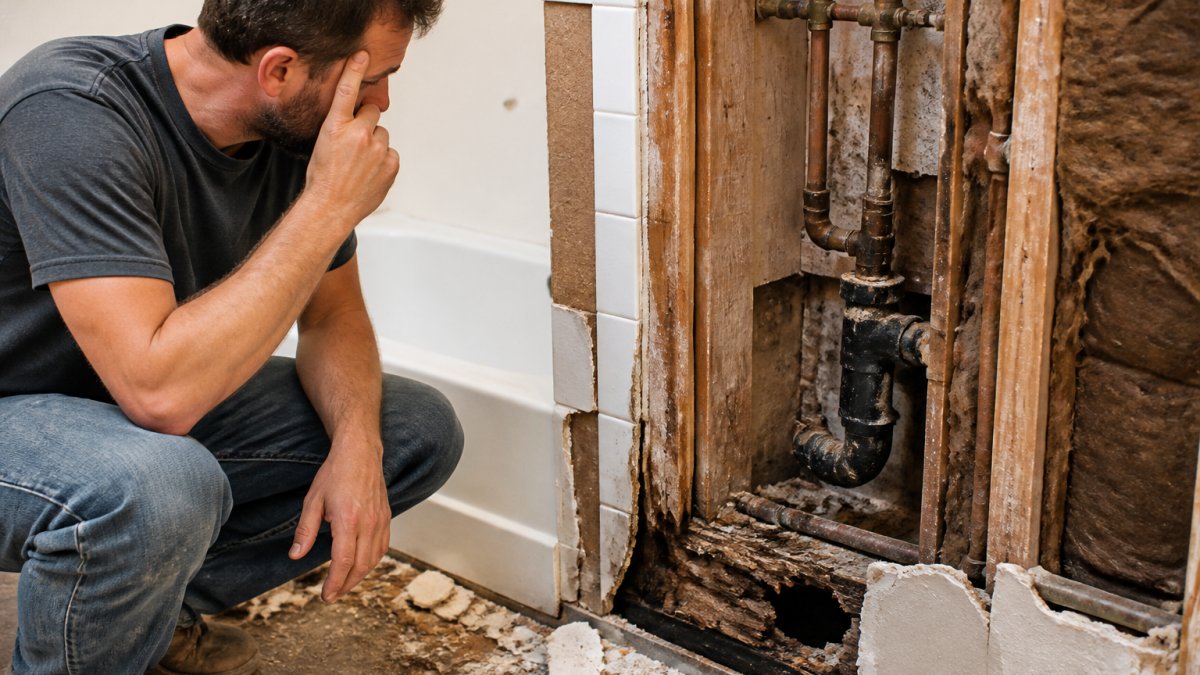
Planning for contingencies, both in budget and timeline, is essential. Most projects encounter unexpected issues: hidden water damage, outdated wiring that needs upgrading, or structural surprises.
Saving Money With Smart Planning and DIY Work
Strategic choices during planning phase save thousands. Understanding where DIY makes sense and where professional work is essential helps you allocate your budget effectively.
Where DIY Makes Sense
Some tasks are genuinely DIY-friendly. Painting walls costs far less when you do it yourself. Removing old fixtures, demolition work, and hauling debris are physically demanding but require no special skills. Installing simple hardware like towel bars and mirrors is straightforward.
Where DIY doesn't make sense: plumbing, electrical work, tile installation, and structural framing. These require permits, licenses, and inspections. Mistakes are expensive to fix. A plumbing error can cause water damage. Electrical mistakes create safety hazards.
The cost-benefit calculation is simple: if the task requires a permit or inspection, hire a professional. If it's cosmetic and low-risk, DIY can save money. Be honest about your skill level. A poorly painted wall can be repainted. A poorly installed shower valve causes ongoing problems.
Contractor Selection and Communication
Your contractor choice impacts both cost and quality. Choosing based solely on the lowest bid often leads to problems. A contractor who underbids the project either cuts corners or abandons it midway.
At JB's Construction LLC, we provide free estimates. Clear communication from the start prevents surprise costs. A good contractor explains what they're doing, why they're doing it, and what it costs.
Ask potential contractors how they handle changes and unexpected issues. Will they communicate before spending extra money? Do they provide written estimates that break down labor and materials?
The cheapest contractor isn't always the best value.
Financing and Contingency Planning
Most homeowners don't have cash for a full bathroom addition. Understanding financing options and planning for contingencies helps you manage the project without financial stress.
Home equity lines of credit, home equity loans, and personal loans are common financing options. Some contractors offer financing through third-party lenders.
Contingency planning means budgeting for the unexpected. Hidden water damage, outdated wiring, or structural issues often emerge during construction. Building 10-15% contingency into your budget prevents these discoveries from derailing your project.
Cash flow planning matters too. Will you pay the contractor in installments as work progresses, or in full at completion? Most contractors require deposits upfront and progress payments as milestones are reached.
Return on Investment and Long-Term Value
A bathroom addition increases your home's value and your quality of life.
A bathroom addition typically recovers 50-80% of its cost in home value, depending on your market and the quality of the work.
Beyond resale value, a bathroom addition improves daily life. An extra bathroom reduces morning congestion. A spa-like shower or soaking tub adds daily comfort.
Long-term operating costs also factor in. Water-efficient fixtures reduce utility bills. Proper ventilation prevents mold and moisture damage.
Planning bathroom additions on budget is entirely achievable when you understand cost drivers, make strategic choices, and work with a contractor who communicates clearly.
JB's Construction LLC helps homeowners navigate these decisions with free estimates that account for real scope and timeline.
Frequently Asked Questions
How much does it cost to add a bathroom to a house?
The cost of a bathroom addition varies widely based on size, location, and scope. A small half-bath addition typically costs less than a full bathroom with shower and tub. Factors include plumbing relocation, structural work, permits, and material choices. Since costs depend on your specific project details, square footage, and local labor rates, get a free estimate from a contractor who can assess your home's unique situation.
How can I add a bathroom on a tight budget?
Keep your existing layout to avoid expensive plumbing relocation. Choose budget-friendly materials like peel-and-stick flooring, paint, and simple fixtures instead of high-end options. Consider a half-bath instead of a full bathroom. Handle cosmetic work yourself if you're comfortable with painting or basic finishing.
How long does it take to add a bathroom to a house?
A typical bathroom addition takes 4 to 12 weeks depending on scope and complexity. Simple additions with minimal plumbing relocation move faster than complete overhauls requiring structural changes. Permits and inspections add 2 to 4 weeks. Weather, material delays, and contractor availability affect the timeline. Discuss realistic timelines with your contractor upfront and plan for potential delays in your project budget.
Can I save money by keeping a new bathroom near existing plumbing?
Yes. Locating your bathroom addition near existing plumbing lines saves thousands on labor and materials. If you can add the bathroom adjacent to an existing bathroom or kitchen, you avoid expensive plumbing relocation and rerouting. This is one of the highest-impact cost-saving decisions in bathroom addition planning. Work with your contractor during the design phase to identify the most cost-effective location.
What should I avoid when planning a bathroom addition?
Avoid underestimating permits and inspection costs. Don't skip code compliance or assume you can cut corners on plumbing and electrical work. Avoid choosing materials based on price alone without considering durability. Don't plan a layout far from existing plumbing unless your budget allows for relocation. Skip expensive upgrades early on; prioritize essential fixtures first. Finally, avoid hiring contractors without clear communication agreements, get everything in writing to prevent hidden costs and timeline surprises.
Which bathroom addition upgrades are worth the extra cost?
Quality plumbing fixtures and proper water pressure systems pay off in durability and function. Good ventilation prevents mold and moisture damage. Proper grout and waterproofing in shower areas save money on repairs later. Adequate lighting improves usability and safety. These upgrades support long-term value and reduce maintenance costs. Cosmetic choices like paint colors and hardware style matter less for ROI, focus your budget on structural quality and functionality first.
How do I estimate a budget for a bathroom addition?
Start by defining your scope: half-bath or full bathroom, new layout or existing footprint, and must-have versus nice-to-have features. Get a free estimate from a contractor who can assess your home's plumbing, electrical, and structural needs. Break costs into labor, materials, permits, and contingency (typically 10-15% of total). Track expenses as you go. A realistic estimate accounts for your location's labor rates, material costs, and permit requirements.