 how-to
7 Steps to Get an Accurate Home Renovation Project Quote
Last Updated: October 26, 2026
Quick Summary
A home renovation project quote is a fixed price for a defined scope of work, usually provided in writing after a contractor has walked the space and assessed site conditions. Getting multiple quotes lets you compare proposals side by side to understand what you're paying for and catch differences in scope, materials, permits, and contingencies.
- Request quotes with specific scope details including dimensions, finishes, materials, and existing conditions rather than vague descriptions.
- Compare quotes using a template that breaks down costs by category: labor, materials, permits, disposal, contingency, and timeline.
- Watch for red flags like single totals with no line items, missing contingencies, suspiciously low allowances, and buried exclusions.
- A common contingency range is 10-20% of project cost to cover surprises like hidden water damage or outdated wiring.
- Ask each contractor to explain in writing how changes and associated costs will be handled before you sign.
Table of Contents
- Why Getting Multiple Home Renovation Project Quotes Matters
- What to Include in a Contractor Quote Request
- Questions to Ask a Remodeling Contractor Before You Hire
- How to Compare Contractor Estimates Side by Side
- Using a Home Renovation Quote Template to Stay Organized
- Red Flags in Renovation Quotes and Hidden Costs to Watch For
- Request Your Free Estimate Today
- Frequently Asked Questions
Why Getting Multiple Home Renovation Project Quotes Matters
Before committing to any home renovation project, understand what you're paying for. A single quote shows one contractor's vision and price; multiple quotes let you compare proposals.
Multiple estimates protect you in ways that only become obvious once work starts. One bid may include permits and insurance; another may not.
Requesting a home renovation project quote can help you clarify your vision before work begins.
What to Include in a Contractor Quote Request
When you request a home renovation project quote, vague requests get vague answers. Be specific.
Start with the scope. Don't say "bathroom renovation." Say "remove existing vanity, toilet, and shower enclosure.
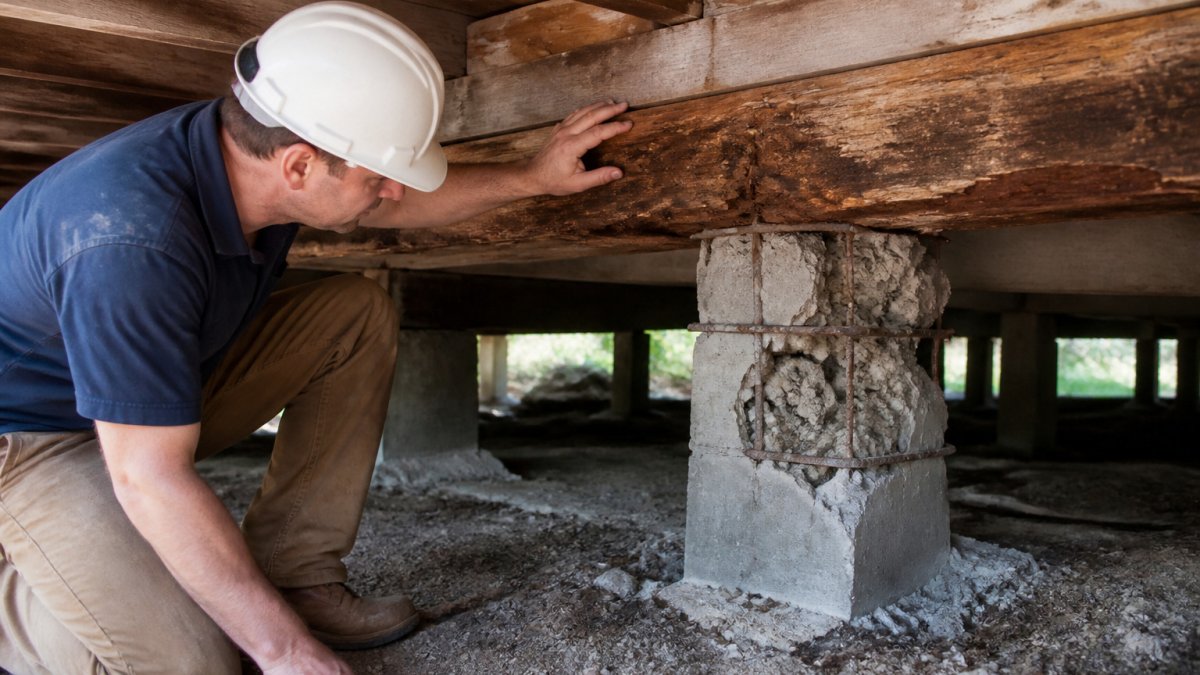
Include existing conditions: sloped floors, visible plumbing or electrical issues, load-bearing walls, structural damage.
Specify what's included and excluded: permits, insurance, disposal, dust protection, inspections, and utility coordination if lines need relocating.
Ask for a timeline: start date, duration, completion date, crew size, and working hours.
Questions to Ask a Remodeling Contractor Before You Hire
Once you have quotes in hand, a conversation with each contractor reveals whether they're organized, communicative, and realistic.
Start by asking about licensing and insurance.
Ask about experience with your project type. For a bathroom renovation, ask about similar work and communication.
Ask how they handle changes and cost overruns.
Ask about their communication process. At JB's Construction LLC, we prioritize constant communication with customers throughout every project. best home remodeling contractor services: a hiring guide covers this in depth, and how to manage contractor communication: 7 steps walks you through maintaining that communication throughout the project.
Ask whether they offer warranties and, if so, what the terms are. Get the details in writing.
How to Compare Contractor Estimates Side by Side
Comparing three quotes is only useful if you're comparing the same scope of work. If each contractor interpreted your request differently, you're comparing apples to oranges.

Create a comparison spreadsheet.
Look for gaps in scope. If one quote is significantly lower, check what it excludes, permits, disposal, contingency.
Compare the labor breakdown. Some charge hourly, others by the project.
Look at material costs.
Check whether the quote includes a contingency and ask what it covers.
Review the timeline and ask how the contractor plans to meet it.
Using a Home Renovation Quote Template to Stay Organized
A template forces every contractor to bid the same scope so the numbers are actually comparable. Without one, three contractors will interpret "bathroom renovation" three different ways and hand you three prices you can't line up.
Build the template as a single document you send to every bidder, with two parts: a project brief you fill in, and a quote form the contractor returns.
Part 1: The project brief you send
- Scope of work, room by room. Describe demolition, rough-in, finishes, and fixtures in plain language. Example: "Primary bath, approximately 60 square feet. Remove existing vanity, toilet, and fiberglass shower. Install 48-inch vanity with quartz top, comfort-height toilet, and 36x60 tiled shower with frameless glass door. Re-tile floor."
- Measurements and photos. Include room dimensions, ceiling height, and photos of existing conditions from several angles. Note anything you already know is wrong, a soft spot in the subfloor, a slow drain, an outlet that trips the breaker.
- Materials and finishes. State whether you are supplying fixtures or the contractor is. If you have selected tile, vanity, or plumbing fixtures, list brand and model. If not, say so and ask each bidder to price a specified allowance (see below).
- Priorities and constraints. Tell them what matters most, budget, timeline, or finish quality, and any hard limits, such as a kitchen that must stay usable or a date the project must finish by.
- What you want quoted. Permits, disposal, protection of the rest of the house, inspections, and utility coordination should each be a yes/no line so no bidder can quietly leave one out.
Part 2: The quote form the contractor returns
Ask each contractor to return the same line-item structure so you can compare row by row:
- Demolition and disposal, labor, dumpster, hauling.
- Rough-in trades, plumbing, electrical, HVAC, each priced separately.
- Labor, hours or a fixed price, stated which.
- Materials, itemized, with an allowance figure for anything not yet selected.
- Permits and inspections, who pulls the permit and who pays the fee.
- Protection and temporary work, dust barriers, floor protection, temporary facilities.
- Contingency, the percentage included, if any, and what triggers its use.
- Change-order process, how a change is priced and approved in writing.
- Payment schedule, deposit, milestone payments, and final payment, with percentages.
- Timeline, start date, duration, and completion date, with phases if applicable.
- Warranty, labor and material terms, in writing.
- Credentials, license number, liability insurance, and workers' compensation coverage.
A worked example of why this matters
A template can help you compare the items listed in each bid. It doesn't tell you which contractor to hire.
Send the brief and form together, give each contractor the same deadline, and ask for the form filled in rather than a one-page total.
Red Flags in Renovation Quotes and Hidden Costs to Watch For
Most quote problems are not lies. They are mismatches between what the homeowner thought they were getting and what the document says. Know what kind of number you're looking at before you compare it.
Know which kind of estimate you have
- A ballpark or online estimate is a range based on averages, often generated by a calculator or given over the phone. It is useful for budgeting and useless for signing. It is not a quote.
- An in-home estimate is produced after a contractor has walked the space. It is more accurate because site conditions are visible, but it may still be an estimate rather than a fixed price.
- A binding written quote is a fixed price for a defined scope, usually with a stated validity period and a change-order process. This is the document you compare and sign.
Ask each contractor to state in writing what type of estimate they are providing and whether the price is subject to change.
Red flags in the document itself
- A single total with no line items. You cannot compare it, audit it, or negotiate a specific element. Ask for the breakdown before you consider the bid.
- No contingency line. Renovations uncover surprises, hidden water damage, outdated wiring, a subfloor that is not level. A quote with no contingency either underestimates the work or plans to recover the difference through change orders. A common range is 10-20% of project cost; ask each bidder what they included and why.
- Allowances set suspiciously low. An allowance is a placeholder for an item not yet selected, such as tile or a vanity. A low allowance makes the total look smaller, but you pay the difference when you choose the actual product. Compare allowances line by line, not just totals.
- Exclusions buried or missing. Permits, disposal, protection of the rest of the house, and utility coordination are the usual omissions. Each one is a real cost that reappears later.
- Vague language. "Materials as specified" with nothing specified, or "labor as needed," gives the contractor room to charge more without a change order. Every line should be specific and measurable.
- A price that is far below the others. It usually means a missed scope item, a cheaper material substitution, or a plan to recover costs through changes. Ask the low bidder to walk you through their scope against the others.
- Pressure to sign quickly. A legitimate price does not expire overnight. Urgency is a negotiating tactic, not a courtesy.
- No references or credentials. Ask for recent references and proof of license and insurance. A contractor who will not provide them is telling you something.
Where hidden costs actually come from
Potential cost changes can relate to several parts of a project:
- Scope discovered mid-project, rot, mold, code upgrades, or a layout that will not work as drawn. This is what contingency is for.
- Allowance overruns, you choose finishes above the allowance, and the difference is added by change order.
- Excluded items, permits, dumpsters, temporary protection, and utility work that were never in the total.
- Material price movement, on longer projects, prices for lumber, tile, or fixtures can change between quote and purchase. Ask whether the quote locks pricing and for how long.
The practical test
Before you compare totals, put the quotes side by side and check four things: the type of estimate, the scope inclusions and exclusions, the allowances, and the contingency. Use a checklist to spot quality issues that can inflate renovation costs. Review the estimate type, scope, allowances, and contingency when comparing totals.
Understand the type of estimate you receive and what red flags signal potential problems.
| Red Flag | What It Means | What to Do |
|---|---|---|
| Single total with no line items | Cannot compare, audit, or negotiate specific elements | Ask for the breakdown before considering the bid |
| No contingency line | Underestimates work or plans to recover costs through change orders | Ask each bidder what contingency they included and why |
| Allowances set suspiciously low | Makes total look smaller; you pay difference later | Compare allowances line by line, not just totals |
| Exclusions buried or missing | Permits, disposal, and protection costs reappear later | Verify all items are explicitly included or excluded |
| Vague language like materials as needed | Gives contractor room to charge more without change order | Require every line to be specific and measurable |
| Price far below the others | Usually means missed scope, cheaper materials, or cost recovery through changes | Ask low bidder to walk through scope against others |
| Pressure to sign quickly | Urgency is a negotiating tactic, not a courtesy | Legitimate prices do not expire overnight |
| No references or credentials | Contractor unwilling to provide proof of license and insurance | Request recent references and proof of credentials |
Request Your Free Estimate Today
You now understand what a proper home renovation project quote looks like, what questions to ask, and what red flags to avoid. Start the process.
Gather your project details and be specific about what you want, your timeline, and what you expect in an estimate. Ask questions about communication and changes.
JB's Construction LLC offers free estimates for residential renovation projects. We communicate constantly with customers throughout every project.
Frequently Asked Questions
How do I get a quote for a home renovation project?
Contact contractors directly with details about your project scope, materials, timeline, and budget. Ask what information they need to prepare a home renovation project quote. Be prepared to share photos, measurements, and a clear description of what you want done. Provide the same information to the contractors you contact so you can compare their responses.
What information should I provide to get an accurate renovation quote?
Include project scope (what's being remodeled), dimensions and square footage, material preferences, timeline, budget range, and any special requests like custom tile work or structural changes. Mention permits you think you'll need and existing conditions that might affect the work. You can also share photos of the current space and inspiration images to describe your vision.
How many contractor quotes should I get for a home renovation?
You can request quotes from different contractors and compare the information they provide. If quotes differ, ask follow-up questions about their scope and terms.
What should a home renovation estimate include?
Ask what the estimate covers, including labor, materials, timeline, payment schedule, and what's included or excluded. Ask for clarification in writing before making a decision.
Getting an accurate home renovation project quote requires specificity, comparison, and the right questions. You've now got the tools to do it. The contractors who are worth hiring will welcome your detailed requests and thorough evaluation. The ones who don't are telling you something important about how they work.