 how-to
How Do You Hire a Reliable Residential Contractor?
Last Updated: November 4, 2026
Quick Summary
To hire a reliable residential contractor, start with referrals from people you trust, then verify the license, insurance, and lien history before signing anything. Confirm the license is active and matches residential work, and ask for liability and workers' comp certificates for the contractor and each subcontractor.
- Ask neighbors, friends, and coworkers who finished a project in the last year or two.
- Run license, insurance, and lien checks before signing; the checklist takes about an hour.
- Call the insurer's number on the certificate, not the number the contractor gives you.
- Compare bids line by line, since the lowest estimate often hides missing scope.
- Never pay the full job upfront; tie payments to completed milestones.
Table of Contents
- Start With Referrals, Then Verify Everything
- Your Hiring a Contractor Checklist: License, Insurance, and Lien Checks
- Questions to Ask a Contractor Before Hiring
- How to Compare Contractor Estimates Apples to Apples
- What to Include in a Home Improvement Contract
- Payment Safeguards That Protect Your Money
- Red Flags That Signal a Reliable Residential Contractor Is Not What You Found
- Get a Free Estimate From JB's Construction LLC
- Frequently Asked Questions
Start With Referrals, Then Verify Everything
The best tips for hiring reliable residential contractors start with one simple move: ask people you trust who they used. A reliable residential contractor is a licensed, insured professional with a proven track record and references you can actually call.
Referrals give you a shortlist. They do not replace homework.
Ask neighbors, friends, and coworkers who have finished a project in the last year or two. Then ask follow-up questions:
- Did the contractor show up when promised?
- Was the final bill close to the estimate?
- Would you hire them again?
Local home builders' associations and trade groups also keep member lists you can search. A membership is not a guarantee, but it is a starting filter. So is a quick look at your state's licensing board.

Your Hiring a Contractor Checklist: License, Insurance, and Lien Checks
Run three checks before you sign anything: license, insurance, and lien history. This is the core of any hiring a contractor checklist, and it takes about an hour. Skip it and you carry the risk. The difference between a real due-diligence pass and a box-check is knowing exactly where to look and what to confirm.
License verification. Every state runs its own licensing or registration system, and most publish a searchable database. Start with your state's contractor licensing board or the consumer protection office that oversees home improvement contractors. Search by the business name and the individual's name, not just the license number the contractor hands you. Confirm four things: the license is active, the classification matches residential work, the name on the license matches the entity on your contract, and there are no disciplinary actions or complaints listed. Some states also require a separate home improvement registration or a local municipal permit license, so check both the state and your city or county.
Insurance. Ask for two documents: a certificate of liability insurance and proof of workers' compensation coverage. On the liability certificate, confirm the general liability limit, the policy effective and expiration dates, and that the named insured matches the contracting business. Call the insurer's number on the certificate, not the number the contractor gives you, and ask whether the policy is current and whether it covers residential remodeling. For workers' compensation, confirm the policy is active and that the classification code matches construction work. If a worker gets hurt on your property and there is no coverage, the problem lands on you.
Subcontractor coverage. This is the step most homeowners skip. Ask the contractor for a list of the subcontractors they expect to use, then request certificates for each one. Confirm each sub carries its own general liability and workers' compensation, and that the coverage is active for the dates of your project. A general contractor's policy often excludes work performed by uninsured subs, so the paper trail matters. Ask the contractor to provide updated certificates before each sub starts work, and keep copies in your project file.
Lien checks. A lien is a legal claim against your property for unpaid work or materials. Ask the contractor for a written lien waiver process: a conditional waiver at each payment and a final unconditional waiver when the job closes. Check your county recorder or clerk's office for recorded liens tied to the business name, and ask the contractor directly whether any supplier or sub has filed a lien on a past job. On larger projects, a title company or construction attorney can run a preliminary lien search for a modest fee.
Watch out: a certificate of insurance that lists the contractor as an additional insured on someone else's policy, or a policy that expires mid-project, leaves you exposed even though the paperwork looked complete on day one.
Questions to Ask a Contractor Before Hiring
The right questions to ask a contractor before hiring reveal how they run a job. Ask about timeline, crew, change orders, and who shows up on day one. Listen for clear answers, not vague promises.
Try these:
- Who will be on site each day, and who is my main contact?
- Do you use subcontractors, and are they insured?
- How do you handle change orders and added costs?
- What is your payment schedule?
- How often will you update me on progress?
- What warranty do you offer on labor and materials?
A good contractor answers these without flinching. A shaky one changes the subject. For a deeper walkthrough, our guide on how to choose a remodeling contractor covers what to look for at each stage.
How to Compare Contractor Estimates Apples to Apples
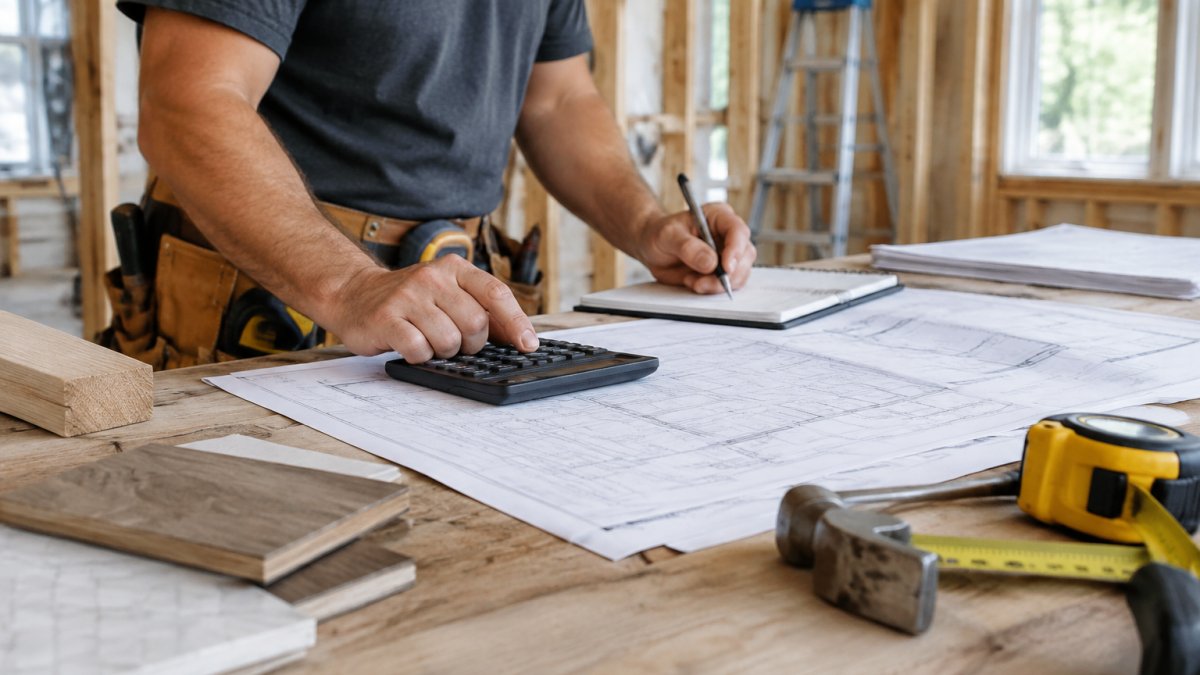
Compare bids line by line, not by the bottom number. The lowest estimate often hides missing scope, cheap materials, or excluded permits. To compare contractor estimates fairly, make every bid describe the same work.
Ask each contractor to break the estimate into labor, materials, permits, and cleanup. Then check:
- Does the scope match across all bids?
- Are material brands and grades listed?
- Are permits and inspections included?
- Is the timeline realistic?
Watch out: a bid that is far below the others usually means something was left out. That gap becomes a surprise bill later. Our step-by-step guide on getting an accurate renovation quote shows how to line up bids so nothing gets buried.
What to Include in a Home Improvement Contract
A home improvement contract should spell out scope, price, payment schedule, timeline, and change-order rules. If it is not in writing, it did not happen. The contract is your protection when the project gets messy.
Make sure it includes:
- Detailed project scope and specifications
- Materials and labor costs
- Total price and payment terms
- Start and completion dates
- Change-order process in writing
- Permit responsibility
- Warranty terms
- Cancellation and dispute terms
Never sign a blank or one-page contract for a major remodel. Read every clause, and ask questions about anything unclear.
Payment Safeguards That Protect Your Money
Never pay the full job upfront (How To Avoid a Home Improvement Scam). A safe schedule ties payments to completed milestones, with a modest deposit at signing and a final payment held until you sign off. This is the single best defense against a contractor who walks away, and it is where most homeowners lose leverage.
A workable structure ties each payment to something you can see and verify:
| Stage | What You Pay For | What You Verify Before Paying |
|---|---|---|
| Deposit | Mobilization and materials deposit | Signed contract, license and insurance confirmed, permit application filed |
| Rough-in | Framing, electrical, and plumbing rough work | Rough inspection passed, photos of work in place |
| Mid-project | Drywall, finishes, and fixtures | Milestone walkthrough with the contractor, written sign-off |
| Final | Punch list and closeout | Punch list complete, final inspection passed, lien waivers collected |
Keep the deposit modest. Be wary of any request for half or more of the job upfront, and treat a cash-only demand as a serious warning sign. Pay by check or card so you have a record, and write the invoice number and milestone on the memo line. Get a signed receipt or paid invoice for every payment, and keep them with the contract and change orders in one folder.
Tie each payment to a written milestone, not a calendar date. If the contractor asks for a draw before the milestone is complete, decline and ask for a revised schedule. Hold back a final payment until the punch list is done and you have walked the job. On larger projects, a title company or construction escrow service can hold funds and release them against inspected milestones for a fee, which adds a neutral third party to the process.
Watch out: a contractor who asks for the next draw before the prior milestone is inspected, or who wants payments made out to an individual rather than the licensed business, is creating a paper trail that will not protect you if the job goes sideways.
For more on protecting your budget, read our advice on avoiding remodeling budget surprises.
Red Flags That Signal a Reliable Residential Contractor Is Not What You Found
Certain warning signs mean walk away, no matter how good the pitch sounds. A contractor who pressures you, demands cash upfront, or dodges license questions is not a safe bet. Trust your gut and verify.
Watch for:
- No license number or a license that does not check out
- No proof of insurance
- A demand for a large cash deposit before any work
- Door-to-door sales after a storm
- No written contract
- No local address or references
- High-pressure "today only" pricing
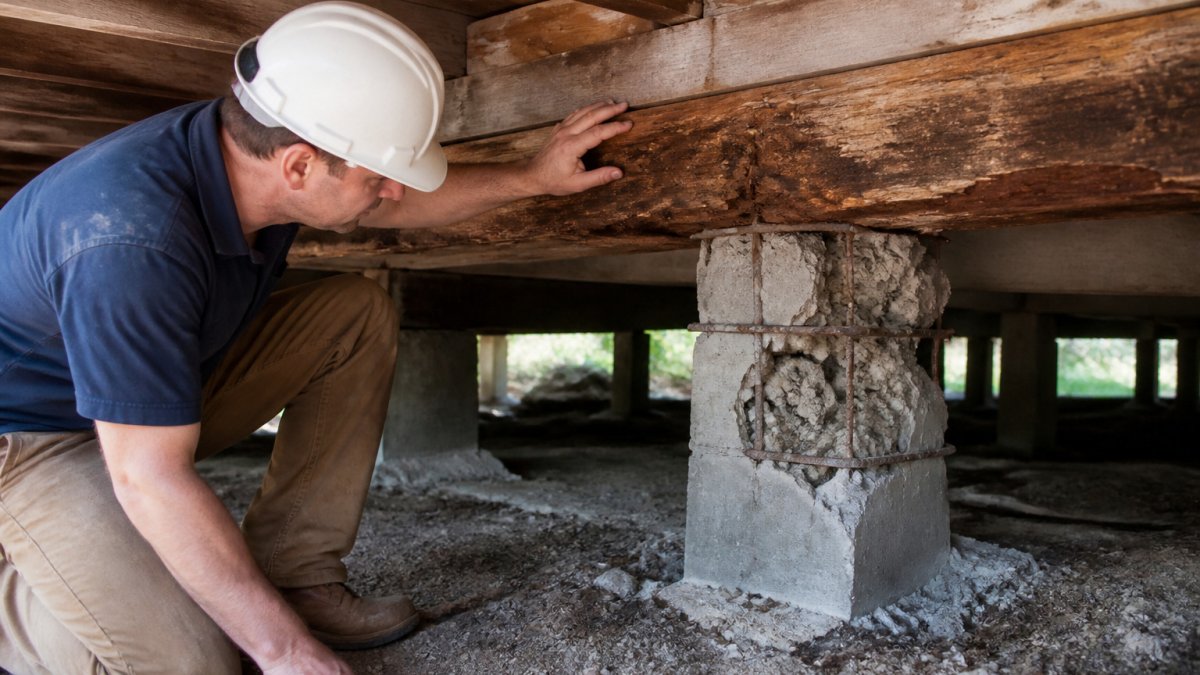
If several of these appear together, stop. Our guide on spotting poor quality construction work explains how to confirm the warning signs before you commit.
Get a Free Estimate From JB's Construction LLC
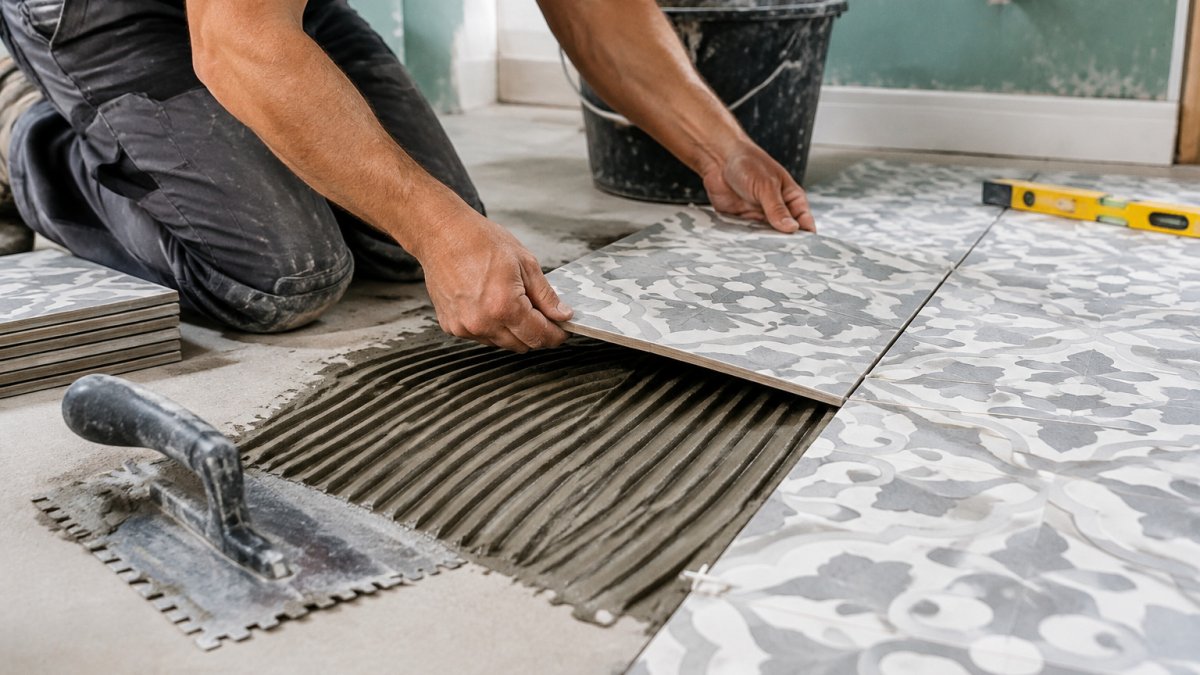
Ready to move from research to a real plan? JB's Construction LLC has served residential construction and remodeling needs since 2020, with a focus on clear, constant communication until the job is done. We specialize in custom tile work and home additions.
You do not have to figure this out alone. We walk you through each step and keep you informed from start to finish. Get started with JB's Construction LLC and book a custom home renovation consultation to get a free estimate for your project.
Frequently Asked Questions
What are red flags when hiring a contractor?
Watch for a contractor who demands a large cash deposit upfront, pressures you to sign on the spot, or refuses to put terms in writing. Other warning signs include no physical business address, no proof of liability insurance or workers' compensation, and a request to pull permits under your name instead of theirs. A reliable residential contractor will welcome questions about licensing, insurance, and references rather than dodge them. If any of these appear, walk away and keep looking.
What questions should I ask before hiring a contractor?
Ask for their license number and how to verify it, proof of liability insurance and workers' compensation coverage, and whether they use subcontractors. Request three recent references for projects similar to yours and ask to see photos or visit a finished job. Ask who will be on site daily, how often you will get updates, and how change orders are handled. A contractor who answers clearly and in writing is a better bet than one who gives vague verbal promises.
How many estimates should I get for a home renovation?
Get at least three written estimates from licensed contractors. More than three helps only if the bids are hard to compare. The goal is not the lowest number but an apples-to-apples view of scope, materials, labor, permits, and timeline. Ask each contractor to itemize the same way so you can see where the differences come from. A bid that is far below the others often means something was left out, not that you got a bargain.
What should a home improvement contract include?
A solid contract names the contractor's license number and business address, describes the project scope and specifications, lists materials and finishes, and states the total price and payment schedule. It should cover the start and completion dates, permit responsibility, change-order procedures, warranty terms, and a lien waiver process. Include a clause for how disputes are handled. Read every line before signing, and never accept a one-page contract for a major remodel.
Hiring well takes a little patience and a lot of verification. When you are ready for a contractor who communicates clearly and treats your home like their own, reach out to JB's Construction LLC. We offer free estimates, constant communication, and custom craftsmanship for your remodel. Get started today and bring your project to life.