 comparison
Is Scholl Construction the Right Builder for You?
Last Updated: October 28, 2026
Quick Summary
The best Scholl Construction alternative depends on your project type, so compare candidates on service model, licensing, insurance, and written pricing. A remodel-focused firm suits kitchens, baths, and additions, while a home remodeling contractor should provide line-item estimates, verified coverage, and a clear change-order process.
- Sort candidates first by service model: design-build, design-bid-build, or remodel-only.
- Ask every builder for a line-item estimate instead of a lump sum to compare scope.
- Confirm state license numbers and current liability and workers' compensation coverage in writing.
- Request a written change-order process with a markup rate stated before work begins.
- Check two or three references from projects similar in size and type to yours.
Table of Contents
- Why Homeowners Look for a Scholl Construction Alternative
- How Custom Home Builders and Remodelers Differ
- Side-by-Side Comparison of Alternative Builders
- Questions to Ask a Remodeling Contractor Before You Hire
- Remodeling Contractor Estimate Comparison: What to Check
- Reviewing Contractor Project Portfolio Examples
- Home Remodeling Contract Checklist and Your Next Step
- Frequently Asked Questions
Why Homeowners Look for a Scholl Construction Alternative
Homeowners often start searching for a Scholl Construction alternative, or a reliable home remodeling contractor, for one of three reasons: the project timeline shifted, the budget changed, or they want to compare more options before signing. If you want a direct list of other builders and remodelers serving homeowners in this space, see alternative remodeling companies. That is a reasonable instinct. A remodel is usually the largest purchase many households make on their property, and the builder you pick shapes the result for years.
Many homeowners say the hardest part is not finding a contractor. It is comparing bids that look nothing alike. One estimate lists materials by brand, another gives a single lump sum, and a third leaves allowances blank. Comparing those documents is difficult without a clear method.
This guide walks through how custom builders and remodelers differ, how to compare them side by side, and what to check before you hire anyone.
How Custom Home Builders and Remodelers Differ
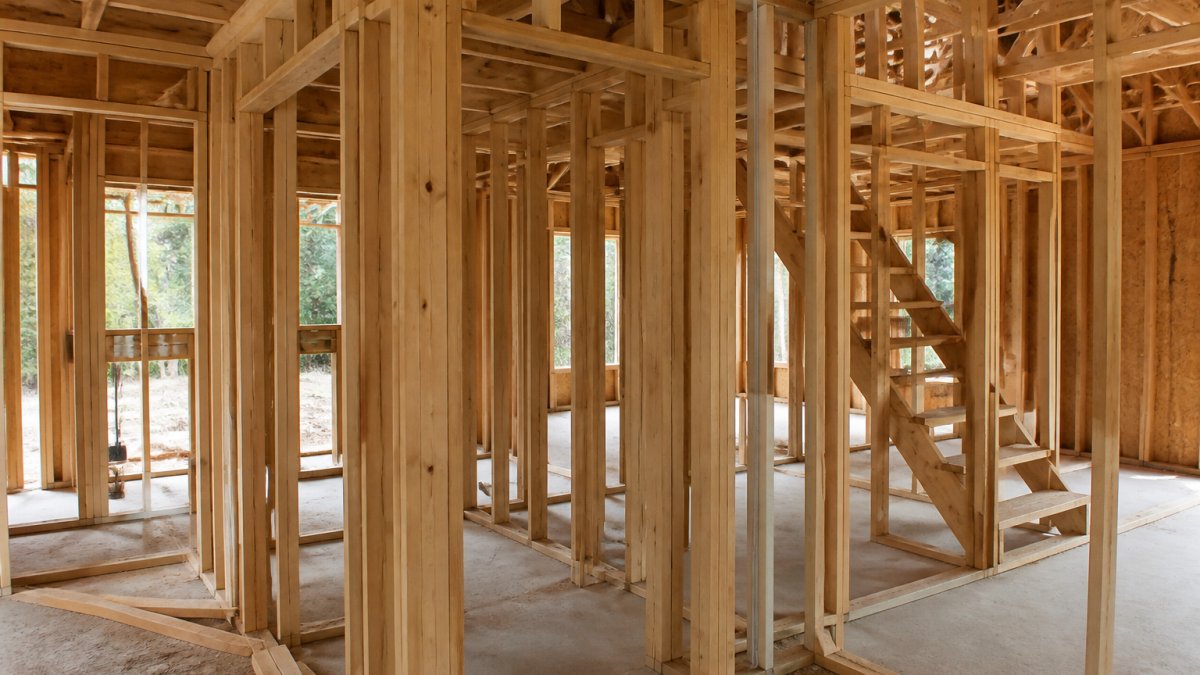
A custom home builder typically constructs a new house on your lot from plans, often with a design team handling layout and specifications, while a home remodeling contractor works inside an existing structure.
The distinction matters because the skills, permits, and risks differ. New construction involves site preparation, foundations, and systems installed from scratch. Remodeling involves older framing, hidden conditions behind walls, and coordination with what is already there.
Ask each company what share of its work is new construction versus remodeling.
Side-by-Side Comparison of Alternative Builders
Most pages that rank for this query are single-company profiles or directory listings. They tell you about one builder at a time. What they rarely do is put alternatives in one frame so you can compare them on the same criteria. That is the gap this section fills.
Instead of a table padded with "not specified" cells, use a comparison framework you can fill in yourself as you gather written responses.
Comparison framework (fill in one column per builder)
| Criterion | What to record | Why it matters |
|---|---|---|
| Service model | Design-build, design-bid-build, or remodel-only | Determines how many contracts you sign and who owns design errors |
| Project type fit | Share of work that is new build vs. remodel vs. additions | A firm's pricing and scheduling sharpen on its dominant job type |
| Licensing and insurance | State license number, general liability limit, workers' comp status | Uninsured crews can leave you exposed on a claim |
| Pricing transparency | Line-item vs. lump-sum bid; stated allowances in USD | Line-item bids are comparable; lump sums hide scope gaps |
| Communication cadence | Named contact, update frequency, change-order process | Most disputes trace to communication, not craftsmanship |
| Warranty | Workmanship term, materials pass-through, callback policy | Defines your recourse after final payment |
| References | Two to three comparable projects with contactable clients | Verifies claims better than photos alone |
How to organize your shortlist
A neutral shortlist works best when you sort candidates by service model first, then by project type fit. Design-build firms bundle architecture and construction under one contract, which shortens timelines but concentrates risk. Design-bid-build arrangements separate the architect from the contractor, which can sharpen pricing competition but adds coordination burden on you. Remodel-only firms are usually the sharpest fit for kitchens, baths, basements, and additions inside an existing structure.
What the public record can and cannot tell you
Company websites, third-party directories, and social pages are useful for confirming a firm exists and seeing project photos, but they rarely publish pricing, service-area boundaries, or warranty terms. Treat any figure you see online as a prompt to request a written estimate, not as a budget. When a row in your comparison stays blank after you have asked, mark it as unverified rather than assuming a default.
Turning the framework into a decision
Once your columns are filled, rank candidates on the criteria you cannot change later, licensing, insurance, warranty, and communication, before you rank on price. Price is the easiest variable to negotiate and the least predictive of a good outcome. The builders who survive this filter are the ones worth inviting to a site walkthrough.
Questions to Ask a Remodeling Contractor Before You Hire
Most contractor-selection guides hand you a list of questions and stop there. The harder problem is what to do with the answers. This section pairs each question with the answer pattern that should raise or lower your confidence, so the list becomes a scoring tool rather than a script.
Licensing, insurance, and legal standing
- "What is your state license number, and can you show current general liability and workers' compensation coverage?" A confident builder produces the certificate of insurance on request. Hesitation, or a certificate that names a different entity than the contract, is a stop sign.
- "Who will pull the permits, and will the permit be in your name or mine?" Permits pulled in the contractor's name generally make the contractor the responsible party for inspections. Permits pulled in your name can shift that responsibility to you.
- "Will you provide a written lien waiver with each payment?" Lien waivers protect you from subcontractors filing claims against your property for work the general contractor did not pay for.
Scope, pricing, and change orders
- "Can you give me a line-item estimate rather than a lump sum?" Line-item bids let you compare scope across builders. A lump sum with no breakdown is not comparable to anything.
- "What allowances are built into this estimate, and what happens if I exceed them?" Allowances should be stated in USD and tied to a specific selection list. Open-ended allowances are a common source of budget creep.
- "How are change orders priced, and who signs off?" Look for a written change-order process with a markup rate stated up front. Verbal change orders are how budgets unravel.
- "What is your payment schedule, and how much is held as retainage until punch list completion?" Progress payments tied to completed milestones are standard. Large upfront deposits are a warning sign.
Schedule, communication, and site conduct
- "Who is my day-to-day contact, and how often will I get updates?" A named contact with a stated cadence, weekly written updates, for example, is a better predictor of a smooth project than any promise of "frequent communication."
- "How do you handle material delays, and what does the contract say about schedule slips?" A builder who can describe a specific delay protocol has usually been through one.
- "Who cleans the site each day, and where will materials and dumpsters be staged?" Site logistics questions surface whether the builder has actually run a project in an occupied home.
References and track record
- "Can you give me two or three references from projects similar in size and type to mine?" Comparable references matter more than prestigious ones. A bathroom remodel client is a better reference for a bathroom remodel than a custom-home client.
- "Have you completed a project in the last twelve months that hit a significant hidden condition, rot, outdated wiring, structural issue, and how was it handled?" The answer tells you how the builder behaves when the unexpected happens, which is when most disputes begin.
What to do with inconsistent answers
When two builders give materially different answers to the same question, for example, one pulls permits and one asks you to, that difference is more informative than the price gap between them. Note it, ask a follow-up, and let the answer shape your shortlist. The goal is not to find the builder who answers fastest; it is to find the one whose answers hold up when you check them.
Remodeling Contractor Estimate Comparison: What to Check
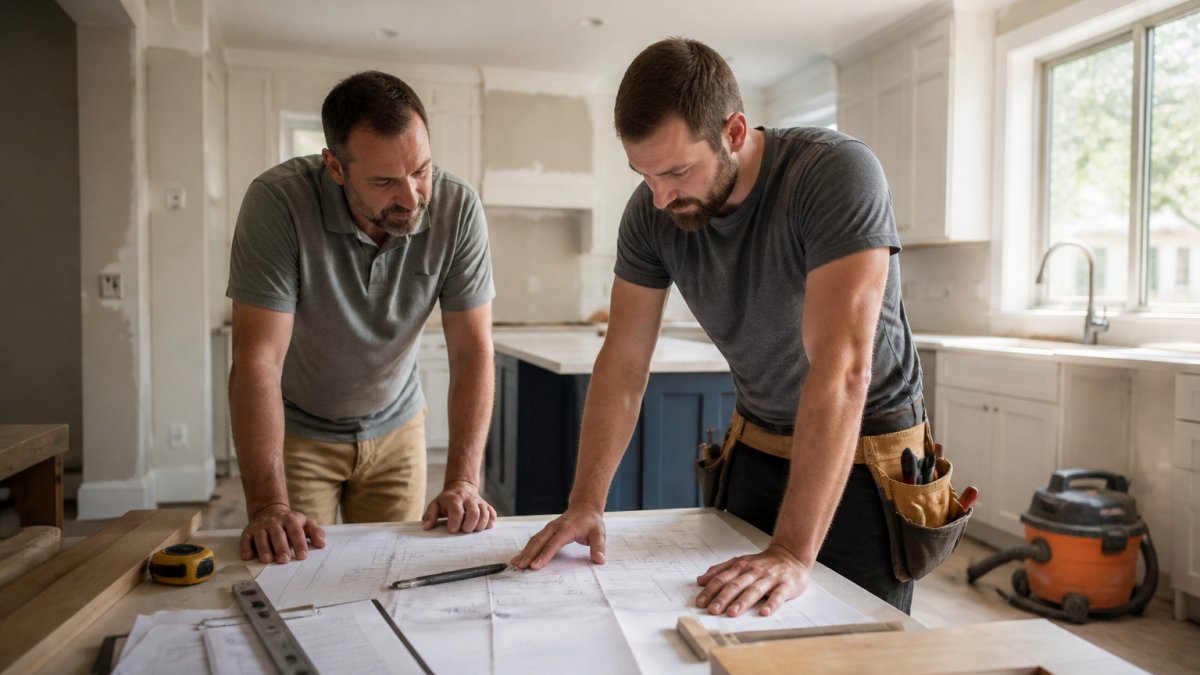
Bids often differ in scope, not just price. A lower number may leave out demolition, disposal, permits, or finish work. Before you compare totals, line up the scope.
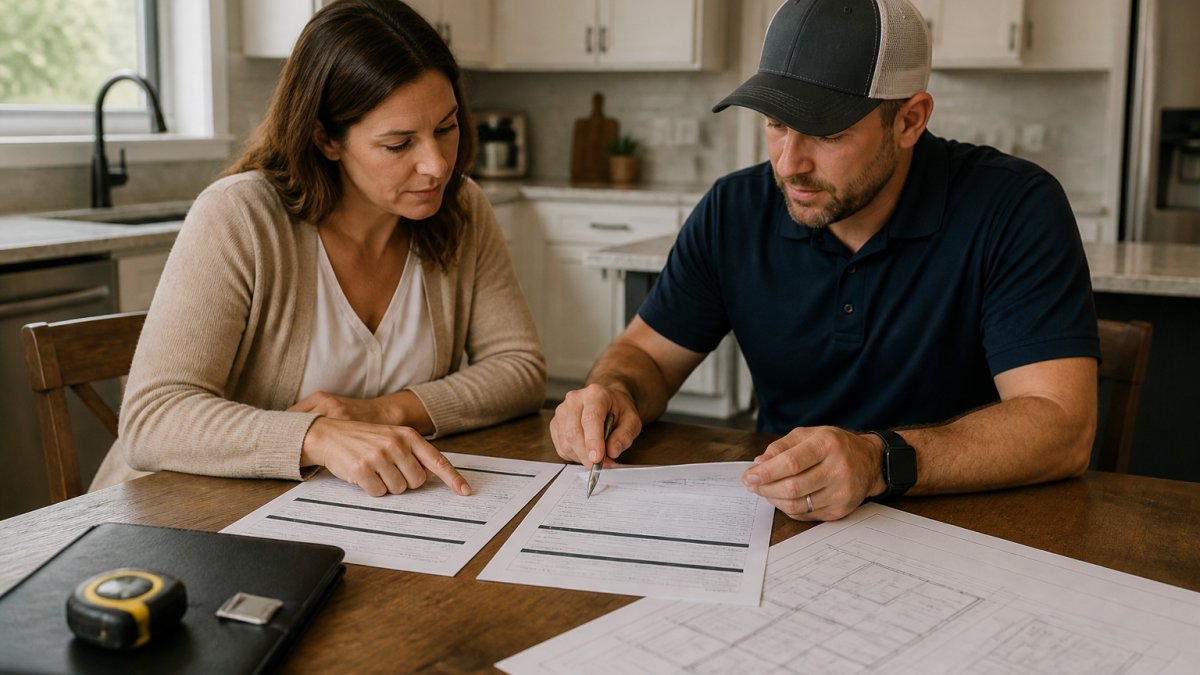
Check whether each estimate includes:
- Labor and materials listed separately, so you can see where the money goes.
- Allowances for fixtures, tile, and finishes, with the allowance amount stated in USD.
- Permits and inspections, including who is responsible for them.
- Contingency for hidden conditions, such as rot or outdated wiring.
- Timeline with start and finish dates, plus what happens if materials are delayed.
Material prices change, so ask how the estimate handles increases after signing. A step-by-step method for getting accurate, comparable quotes can help you line up each bid before weighing one against another. A written price-change clause is far better than a verbal promise.
Reviewing Contractor Project Portfolio Examples
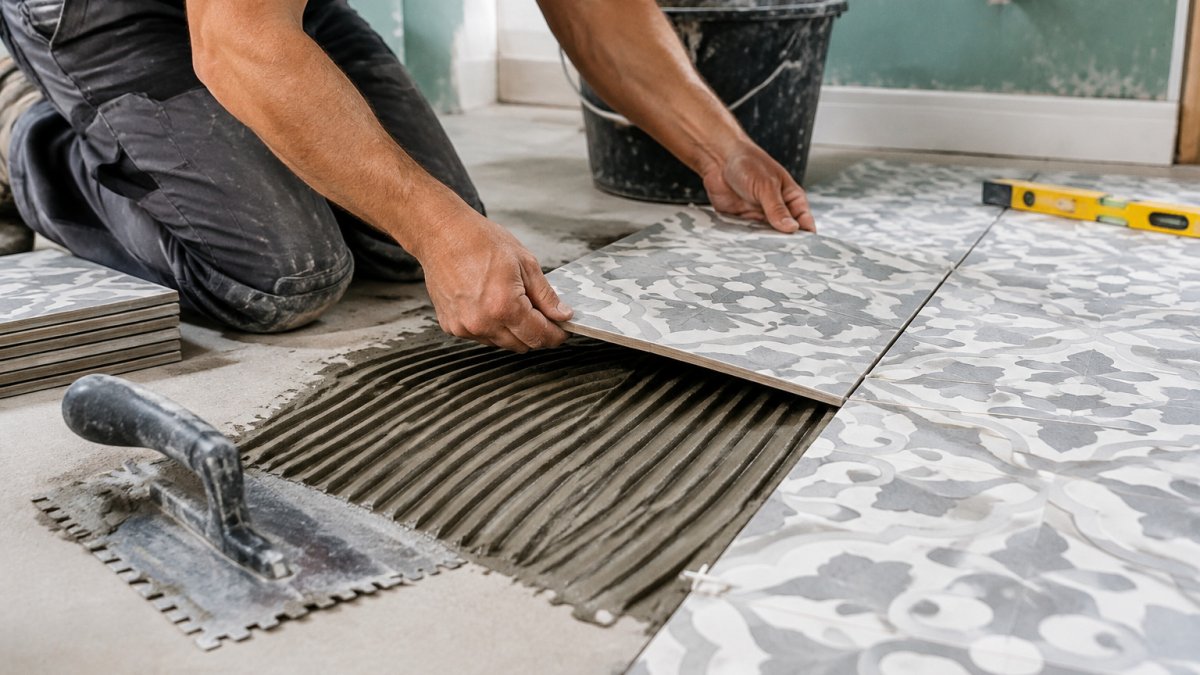
A portfolio tells you more than a sales pitch. Ask for photos of finished work similar to your project, not just the most dramatic examples. For a bathroom remodel, look for clean tile lines, sealed corners, and properly finished trim.
Visit a past client's home if the contractor offers it. To judge whether a contractor's past work and prices make sense, compare them against realistic bathroom remodeling cost benchmarks.
Home Remodeling Contract Checklist and Your Next Step
Before you sign, confirm the contract includes the following:
- Full scope of work, room by room
- Itemized materials and allowances in USD
- Permit responsibility clearly assigned
- Payment schedule tied to completed milestones
- Change order process in writing
- Start date, expected finish date, and delay terms
- Warranty terms for workmanship and materials
- Contractor license and insurance details
Choosing a Scholl Construction alternative comes down to fit: the type of work, the communication you expect, and whether the written estimate matches what you were promised. For a full walkthrough of how to choose and vet a remodeling contractor before signing, read this remodeling contractor hiring guide. Compare at least three estimates using the same scope, and ask each company the questions above.
If you want an estimate for your project, request a free estimate from JB's Construction LLC.
Frequently Asked Questions
What should I compare when choosing a home remodeling contractor?
Compare the scope of work each contractor proposes, how detailed their written estimates are, their licensing and insurance, and how they communicate during a project. Ask for references and look at completed projects similar to yours. Price matters. Put each bid on the same scope so the numbers can be compared fairly.
How do I find a reliable alternative to Scholl Construction for a home project?
Start by listing builders and remodelers that offer the services you need, such as custom home building, bathroom remodeling, or home additions. Check whether each company handles your project type and serves your area. Request written estimates from at least three firms, ask for references, and review their project portfolios. Compare how each one describes its process, timelines, and communication before making a decision.
What questions should I ask a remodeling contractor before hiring?
Ask how long they have been operating, whether they hold the required licenses and carry liability and workers' compensation insurance, and who will supervise your job day to day. Ask how they handle change orders, permit filing, and payment schedules. Request references from recent clients with projects similar to yours, and ask how often you will receive updates during construction.
What should a home remodeling contract include?
A solid remodeling contract spells out the scope of work, materials, a payment schedule tied to completed milestones, a projected start and finish date, and who pulls permits. It should also cover how change orders are priced and approved, the warranty terms, and how disputes are resolved. Read the full contract before signing and keep a copy of every signed document.